
Introduction: Spring Lawn Care Tips for Chicagoland
Fertilization mowing tips spring homeowners into a search for how to care for their lawns, when to apply nutrients, and the best way to mow for healthy, green grass. By following the right timing for soil care, fertilization, and mowing, you set your lawn up for stronger roots, fewer weeds, and a vibrant look all season long. In this guide, we’ll walk through each step in an easy-to-follow way so you can enjoy a lush, thriving yard without any guesswork.
Table of Contents
- Introduction: Spring Lawn Care Tips for Chicagoland
- Understanding Your Lawn’s Seasonal Cycle
- Cleaning and Preparing Your Lawn
- Fertilization Strategies for Spring
- Mowing Best Practices in Early Season
- Watering and Soil Considerations
- When to Seek Professional Help
- Common Mistakes to Avoid
- Conclusion & Next Steps
Understanding Your Lawn’s Seasonal Cycle
Grass in the Chicagoland region consists largely of cool-season turfgrasses like Kentucky bluegrass, perennial ryegrass, and fine fescues. These grasses grow most actively in the cooler temperatures of spring and fall, slowing down as summer heat peaks. Because of this growth pattern, caring for your lawn in early spring sets the tone for the entire year. It’s essential to coordinate fertilization and mowing with this natural cycle rather than rushing. Grass emerging from dormancy will respond best once roots are ready to absorb nutrients and moisture. Transitional care, patience, and timing support deeper root development and long-term health.
Cleaning and Preparing Your Lawn
Before applying fertilizer or mowing for the first time, perform a thorough spring cleanup:
- Remove winter debris: Rake leaves, twigs, and thatch left over from snow, ice, and fall leaf buildup. Removing debris improves airflow and lets sunshine reach the grass.
- Assess bare or thin patches: Identification early helps you decide whether to aerate or overseed before the growing season gains momentum.
- Check soil condition: Healthy soil makes your turf’s job easier. Consider a soil test to understand nutrient needs — both for fertilization timing and long-term lawn strategy.
Cleaning and prepping early ensures your lawn responds to fertilizer and mowing more efficiently and reduces the stress that can occur from choking thatch or debris still present from winter.
When planning your lawn care routine, these fertilization mowing tips spring help you match your schedule to the growth cycle of cool-season grasses like Kentucky bluegrass and perennial ryegrass. Early attention to soil health and nutrient balance ensures that your lawn can recover quickly from winter and thrive as temperatures rise.
Fertilization Strategies for Spring
Fertilizer provides essential nutrients that help grass green up and build resilience after winter. However, timing and product choice matter for optimal results. According to the Chicago Botanic Garden’s lawn care guidance, turfgrass benefits from targeted fertilization only once grass is actively growing, and soil temperatures have risen sufficiently.
Key fertilization tips:
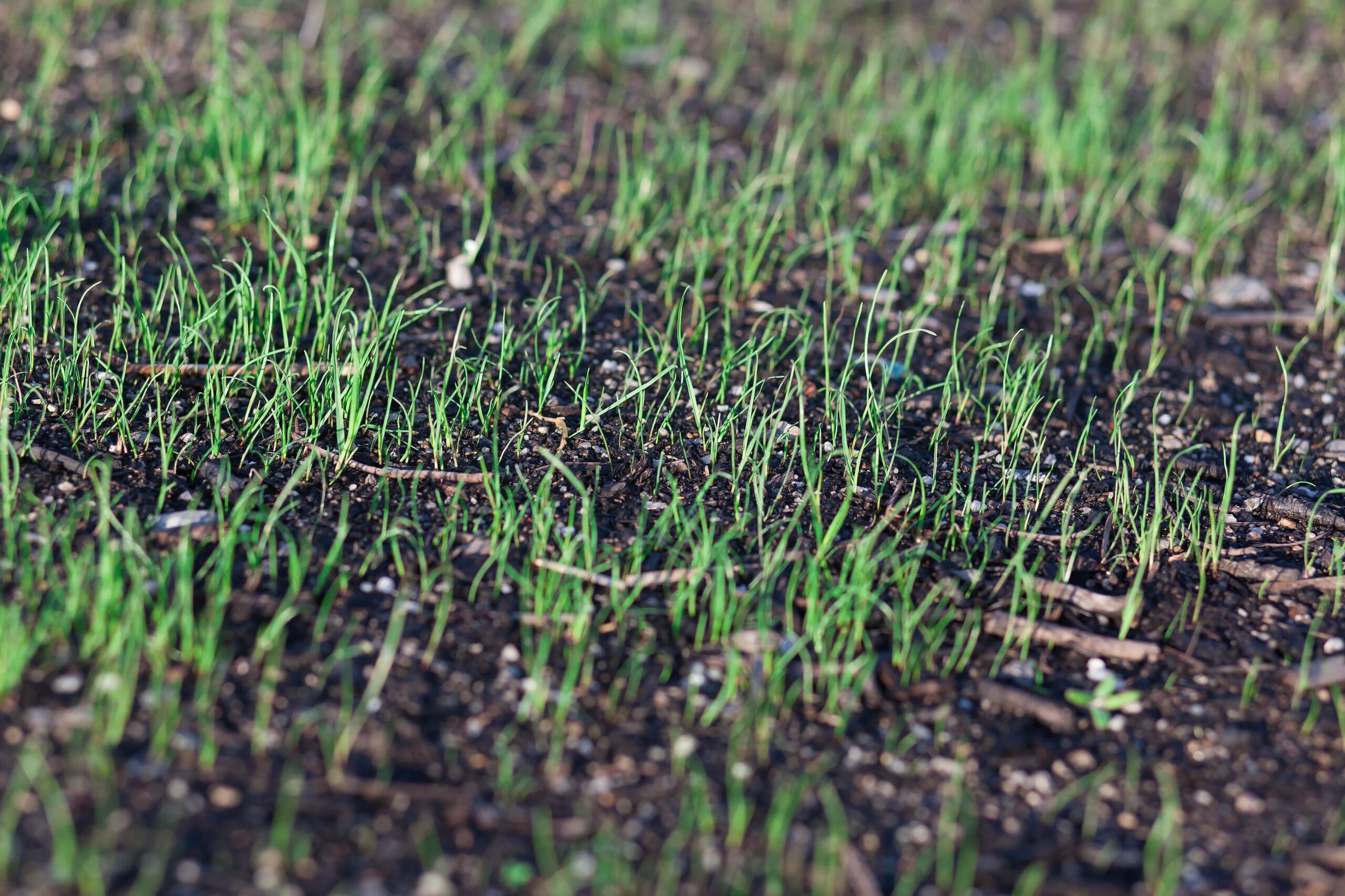
- Wait for active growth: Applying fertilizer while grass is dormant can lead to nutrient runoff and wasted product. Allow grass to sprout green blades that indicate metabolic activity.
- Choose balanced nutrients: Typical lawn fertilizers contain nitrogen (N), phosphorus (P), and potassium (K). Cool-season grasses often benefit most from nitrogen to support green-up and growth, but soil testing can confirm needs.
- Follow recommended rates: Overfertilizing can lead to excessive top growth, which weakens roots and increases mowing frequency. Follow label instructions or professional guidance.
- Consider slow-release formulas: These feed grass gradually and reduce the risk of burning turf or leaching nutrients into waterways.
Apply fertilizer in early spring when the lawn shows signs of growth, usually in April or May in northern Illinois, and again in early fall to support root energy heading into winter. Transitional timing matters because nutrient uptake is tied to active root absorption rather than temperature alone.
Mowing Best Practices in Early Season
Mowing isn’t just about cutting grass shorter — it’s a strategic tool for promoting lawn health. Proper mowing height and frequency impact root depth, weed suppression, and moisture retention.
Mowing guidelines:
- Set mower height higher: Taller grass develops deeper roots and shades soil, reducing moisture loss and discouraging weed growth.
- Never remove more than one-third of blade length at once: Cutting more can stress grass, forcing it to regrow rapidly and divert energy from root development.
- Keep blades sharp: Dull blades tear grass and leave ragged edges, which invite disease and browning.
- Vary your mowing pattern: Changing direction weekly prevents soil compaction and helps turf stand more upright.
For many Chicagoland lawns, regular mowing begins in late April or early May, when grass growth accelerates with warming air and soil.
Even experienced homeowners benefit from reviewing fertilization mowing tips spring each year. Adjusting your fertilization rate, mowing height, and watering schedule according to seasonal conditions keeps your lawn looking its best and prevents common problems like patchy growth or weed invasion.
Watering and Soil Considerations
Watering habits in spring often depend on rainfall, soil type, and lawn maturity. Early in the season, natural precipitation typically meets most lawns’ needs. When supplemental watering is necessary, follow deep, infrequent watering patterns to encourage roots to penetrate deeply rather than staying shallow.
Soil tips:
- Understand soil drainage: Clay soils common in parts of northern Illinois may hold water longer, while sandy soils drain quickly. Adjust watering frequency accordingly.
- Moisture depth matters: Water should moisten the top 6–8 inches of soil, which supports a healthy root system.
Deep watering, in combination with proper mowing height, creates conditions that help grass tolerate heat and drought stress later in the season.
When to Seek Professional Help
While many homeowners manage basic lawn care themselves, professional support can be valuable, especially for complex tasks like soil testing, fertilization timing, and integrated seasonal care. A landscape design company in Winnetka or an experienced landscaping contractor offers expertise for tailored plans, whether for routine landscape maintenance services or specialized needs like aeration and pest management. Professional crews also know how to match fertilizer timing with soil conditions and local weather patterns, helping your lawn stay vigorous and resilient.
Common Mistakes to Avoid
Even well-intentioned homeowners can make mistakes that slow lawn progress:
- Fertilizing too early: This can cause nutrient runoff and weak growth if roots aren’t yet actively absorbing.
- Cutting grass too short: This stresses turf and increases moisture loss.
- Mowing wet grass: It can lead to uneven cuts and soil compaction.
- Ignoring soil health: Nutrient imbalances or compaction can undermine fertilization and mowing efforts.
Avoid these pitfalls by following recommended practices and adjusting based on seasonal cues from your lawn itself.
Conclusion & Next Steps
Spring lawn care in the Chicagoland area sets the foundation for a healthy, vibrant yard throughout spring, summer, and into fall. By prioritizing thoughtful fertilization, correct mowing practices, and attentive watering tied to soil conditions, you give your lawn the best chance to thrive. Whether you tackle these tasks yourself or partner with a landscape company near me for ongoing maintenance, timing and transitional care matter. Start with a clear plan, watch how your lawn responds as temperatures warm, and stay consistent with best practices to enjoy a green, resilient yard all season long.