

Fixing Soggy Yards in May: Drainage Solutions for North Shore Spring Rains
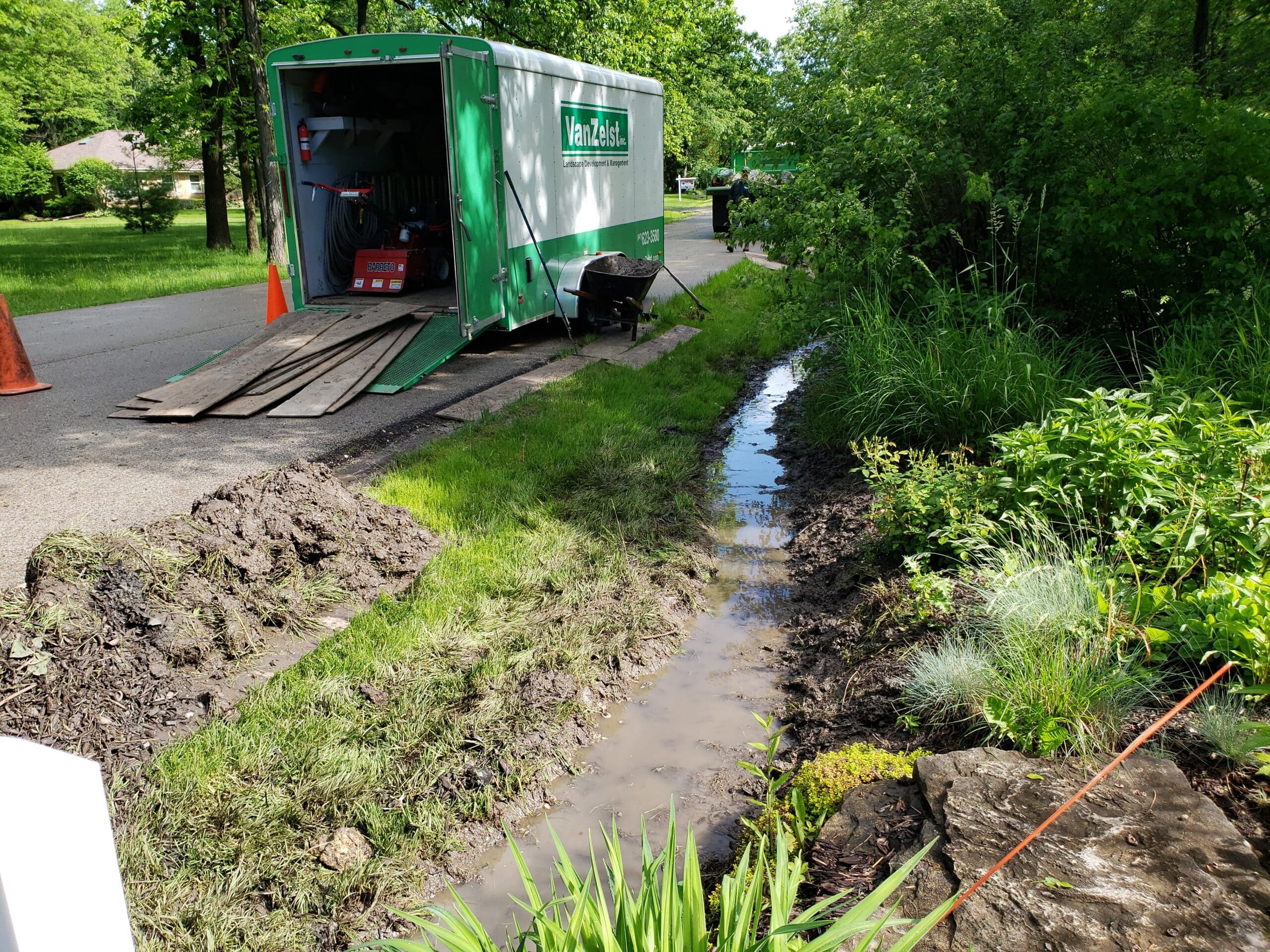
Introduction: Fixing Soggy Yards Fast in North Shore
If your yard turns into a muddy, unusable mess every May, you’re dealing with a classic North Shore drainage problem – and it’s fixable. Heavy spring rains, clay-heavy soil, and poor grading combine to trap water instead of moving it away. The solution isn’t just one fix; it’s a layered approach that improves how water flows, drains, and absorbs into your landscape. From simple grading adjustments to installing French drains or dry creek beds, effective north shore yard drainage strategies can turn your lawn from soggy to solid. Below, we’ll break down exactly what’s causing the issue and how to fix it properly—so you’re not dealing with the same problem every spring.
Table of Contents
- Introduction: Fixing Soggy Yards Fast in North Shore
- Why North Shore Yards Get Soggy in May
- Signs Your Yard Has a Drainage Problem
- Grading: The Foundation of Yard Drainage
- French Drains and Subsurface Solutions
- Hardscape Landscaping for Water Control
- Planting Strategies That Improve Drainage
- When to Call a Landscape Design Company
- Conclusion & Next Steps
Why North Shore Yards Get Soggy in May
Spring rains hit the North Shore hard, and unfortunately, most residential yards aren’t built to handle that volume of water. Because the soil in this region tends to be dense and clay-heavy, it drains slowly. As a result, water sits on the surface instead of soaking in.
Additionally, many properties were graded years ago without modern drainage planning. Over time, settling and erosion make things worse. Consequently, water starts pooling in low spots, near foundations, or across lawns.
According to the National Weather Service, spring rainfall totals have increased in many Midwest regions, which only adds pressure to already struggling landscapes. Therefore, homeowners now need more intentional north shore yard drainage solutions than ever before.
Signs Your Yard Has a Drainage Problem
Before you fix anything, you need to confirm the issue. While soggy grass is obvious, several other signs point to poor drainage.
First, standing water that lasts more than 24 hours is a clear red flag. Next, if your lawn feels spongy or smells musty, excess moisture is likely trapped below the surface. Additionally, patchy grass or moss growth often signals water imbalance.
Moreover, water pooling near your home’s foundation is not just a landscaping issue – it’s a structural risk. That’s why many homeowners searching for a “landscaper near me” are actually dealing with drainage failures, not just aesthetic concerns.
Because of this, identifying the root cause early allows a landscape company to recommend the right fix instead of applying temporary patches.
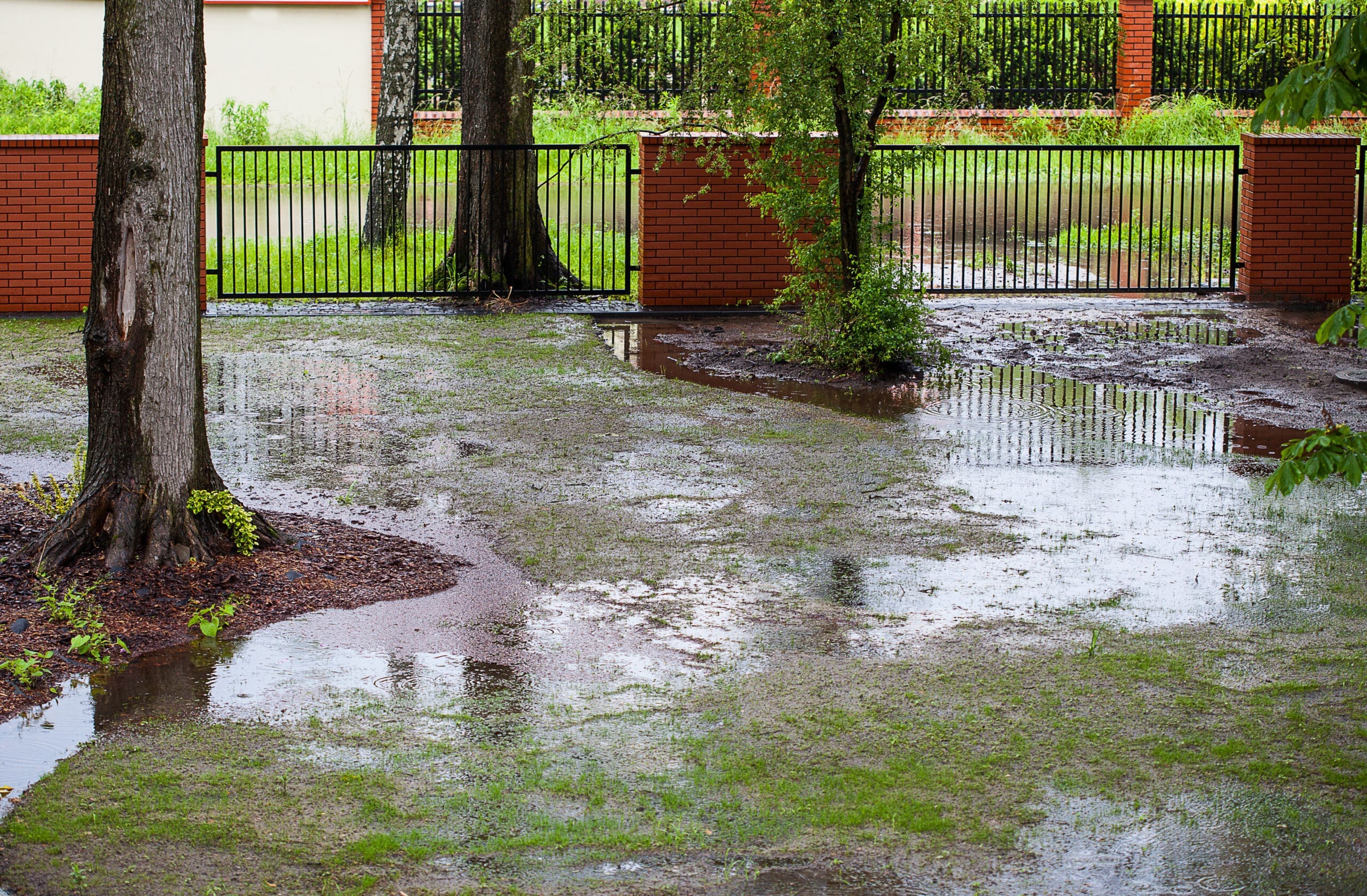
Grading: The Foundation of Yard Drainage
If your yard slopes toward your home – or doesn’t slope at all – you’ve found the core problem. Proper grading ensures water flows away from structures and into designated drainage areas.
A professional landscaping contractor will typically regrade your yard to create a gentle slope. While that sounds simple, it requires precision. Too much slope causes erosion, while too little leaves water stagnant.
In many cases, grading is combined with soil amendments. For example, adding organic material improves soil structure, allowing better absorption. Therefore, grading isn’t just about moving dirt – it’s about improving how your landscape handles water long-term.
If you’re exploring professional help, Van Zelst’s landscape design services can evaluate your property and create a drainage-first plan that actually works.
French Drains and Subsurface Solutions
When surface fixes aren’t enough, subsurface drainage becomes essential. This is where French drains come in.
A French drain is a gravel-filled trench with a perforated pipe that redirects water away from problem areas. Because it works underground, it doesn’t disrupt your yard’s appearance.
Additionally, catch basins and drain tiles can be installed to collect and move water efficiently. These systems are especially effective for properties with persistent pooling.
However, installation matters. Poorly installed systems clog or fail quickly. That’s why working with experienced landscape companies is critical.
According to the EPA’s Soak Up the Rain program, managing stormwater at the source reduces runoff and protects both your property and local ecosystems. Therefore, investing in proper drainage isn’t just smart – it’s responsible.
Hardscape Landscaping for Water Control
Hardscaping isn’t just about aesthetics, it plays a major role in drainage.
Features like permeable pavers, retaining walls, and dry creek beds actively guide water where it needs to go. For example, a dry creek bed can redirect runoff while doubling as a visual focal point.
Similarly, permeable pavers allow water to pass through instead of pooling. This reduces runoff and improves absorption.
Because of this, hardscape landscaping is one of the most effective ways to combine function and design. A skilled landscape design company will integrate these elements seamlessly into your yard.
If you want a long-term solution, not a temporary fix, combining hardscape and drainage systems is the move.
Planting Strategies That Improve Drainage
Plants aren’t just decorative – they’re functional tools in drainage management.
Deep-rooted plants help break up compacted soil, allowing water to penetrate more easily. Native plants, in particular, are well-suited to handle local rainfall patterns.
Additionally, rain gardens are becoming more popular across the North Shore. These are strategically placed planting areas designed to absorb and filter excess water.
Because they’re both eco-friendly and effective, many commercial landscape services now incorporate them into larger projects.
Furthermore, proper landscaping maintenance ensures these systems keep working. Without upkeep, even the best-designed yard can revert to poor drainage conditions.
When to Call a Landscape Design Company
If your yard floods every spring, DIY fixes won’t cut it. At that point, you need a professional evaluation.
A reputable landscape company near me will assess grading, soil conditions, and water flow patterns before recommending solutions. This prevents wasted money on fixes that don’t address the real issue.
Additionally, commercial landscapers near me often bring a higher level of planning and execution, even for residential properties. That’s because they’re used to handling complex drainage systems at scale.
If you’re serious about fixing the problem permanently, working with a trusted landscaper ensures everything – from grading to drainage installation – is done right the first time.
For ongoing care, Van Zelst also offers landscape maintenance services to keep your yard performing as intended year-round.
Conclusion & Next Steps
Soggy yards in May aren’t just annoying – they’re a sign your landscape isn’t managing water properly. Fortunately, with the right north shore yard drainage approach, you can fix the issue permanently.
Start with grading, then layer in drainage systems, hardscaping, and smart planting. Each element plays a role, and together they create a yard that handles heavy rain without turning into mud.
If the problem persists, don’t guess, get a professional assessment. A well-designed drainage plan protects your home, improves usability, and increases long-term property value.
Fix it once, fix it right, and you won’t be dealing with soggy lawns next spring.
